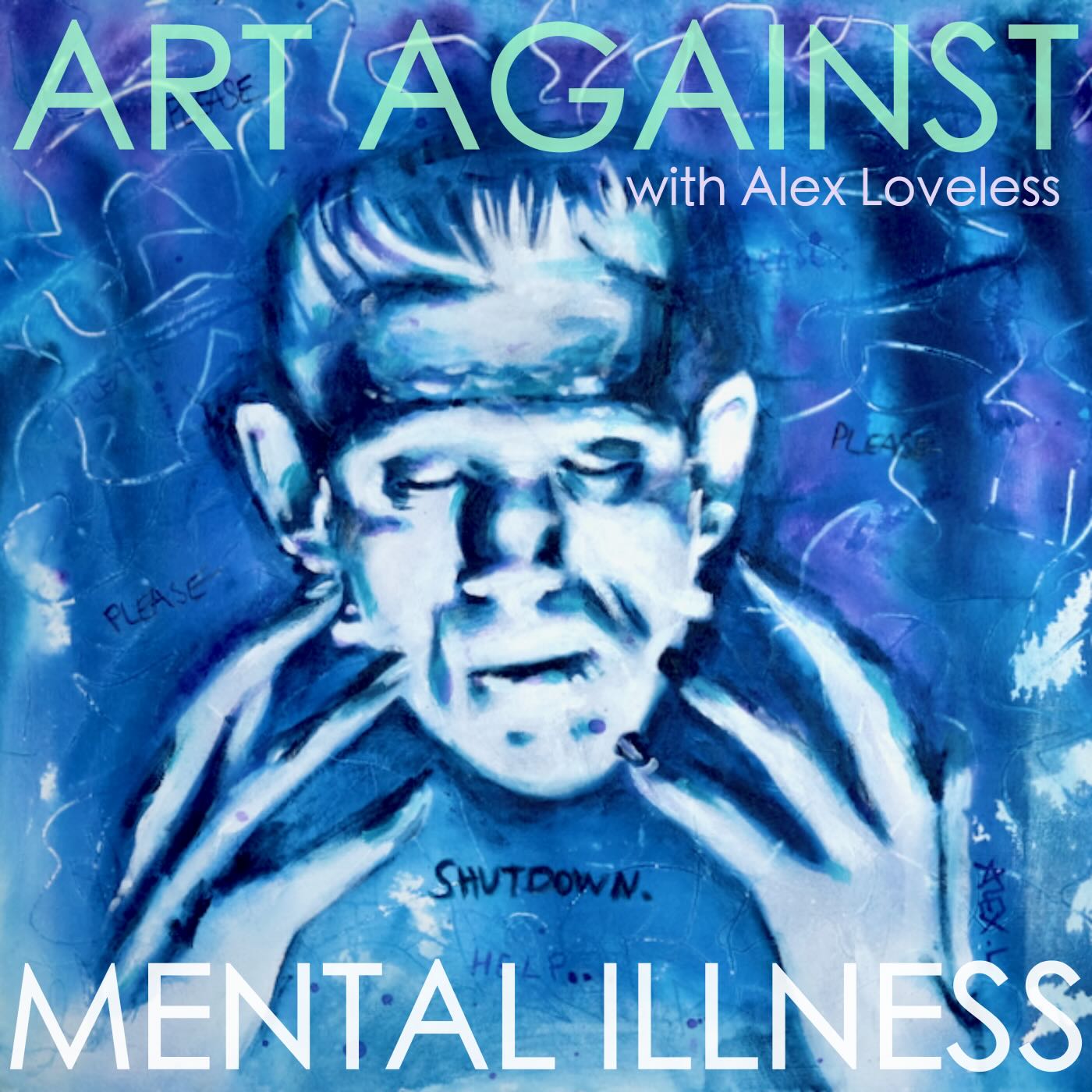
Part memoir, part self-help, part chat show, part tragic-comedy. Artist Alex Loveless takes us on his journey through using creativity to maintain mental health, bearing all in the hopes that it’ll help you on yours.
Alex Loveless
Latest Episode
Walking Therapy - Spring, cropped!
Posted on Tuesday, Apr 14, 2026 | Mental Health, Art, Creativity, Mental Illness, Art Therapy, Creativity
Alex finds a joyous bubble of spring in within the roiling, tempestuous Scottish April weather and ponders the tension created by the man-made wonder of farmland vs the chaos of nature, and how that helps inform the artist’s vision.
Art Takes - Damp and Deliverence (66)
Posted on Monday, Feb 2, 2026 | Mental Health, Art, Creativity, Mental Illness, Art Therapy
Alex talks from his cold, damp studio about constraints and how they can help drive creativity
Walking Therapy - On Being Calm (65)
Posted on Tuesday, Jan 27, 2026 | Mental Health, Art, Creativity, Mental Illness, Art Therapy
Alex finds a quiet spot in his local woods and ponders the nature of feeling calm and how it’s more important than ever before to find your clam, happy space.
Words Against Mental Illness Part 7 - Kids Books, Romance and Suspense - having the best of all worlds with Pauline Tait (64)
Posted on Tuesday, Jan 27, 2026 | Mental Health, Art, Creativity, Mental Illness, Art Therapy, Writing, Interviews
Alex talks to multi award-winning and bestselling author of children’s picture books and romance-led emotional suspense for adults, Paula Tait, about the differences between writing for adults and kids, coaching children’s authors, working with illustrators and how she managed to carve a synergistic niche writing for such distinct audiences.
Words Against Mental Illness Part 6 - Poetry is for Everyone with Ann MacKinnon (63)
Posted on Monday, Jan 26, 2026 | Mental Health, Art, Creativity, Mental Illness, Art Therapy, Writing, Interviews
Alex talks to Poet Ann MacKinnon about helping others discover poetry, how anyone can do it, and the lyrical wonder of the Scots language.
Words Against Mental Illness Part 5 - The Nature of Writing for Nature with Keith Broomfield (62)
Posted on Saturday, Jan 24, 2026 | Mental Health, Art, Creativity, Mental Illness, Art Therapy, Writing, Interviews
Alex talks to nature writer Keith Broomfield, author of countless books about Scottish cities and countryside, about finding nature everywhere and finding inspiration anywhere.
Words Against Mental Illness Part 4 - A Passion for Prose with George Paterson (61)
Posted on Thursday, Jan 22, 2026 | Mental Health, Art, Creativity, Mental Illness, Art Therapy, Writing, Interviews
Alex talks to George Paterson author of The Girl, The Crow, The Writer And The Fighter and Westerwick about the love of the process of writing and his passion for the written word.
Words Against Mental Illness Part 3 - From Cancer to Crime Fiction with Val Penny (60)
Posted on Monday, Jan 19, 2026 | Mental Health, Art, Creativity, Mental Illness, Art Therapy, Writing, Interviews
Alex interviews Val Penny a Scottish crime author known for the Hunter Wilson and Jane Renwick crime thrillers.
Words Against Mental Illness Part 2 - Their Words - Interviews with Authors (59)
Posted on Monday, Jan 19, 2026 | Mental Health, Art, Creativity, Mental Illness, Art Therapy, Writing
Alex kicks off his series of interviews with published authors with a highlights reel.
Regression Therapy - Art Against Mental Politics (58)
Posted on Sunday, Jan 11, 2026 | Mental Health, Art, Creativity, Mental Illness, Art Therapy
Alex revisits his 2024 episode about the role of art in society, politics and protest giving his thoughts about its increasing relevance given the events of the intervening year.
Words Against Mental Illness Part 1 - My Word(s)! (57)
Posted on Thursday, Jan 8, 2026 | Mental Health, Art, Creativity, Mental Illness, Art Therapy
Alex kicks off his miniseries on the written word as a form of therapy by recounting his own troubled relationship and history with words, and makes an impassioned plea for valuing creativity over technical perfection, particularly in the young.